
7,000-Year-Old Figurines Spark Debate Over Reptilian Lore | Ubaid Culture Reveals Controversial Statues
Edited By
Ethan Larson
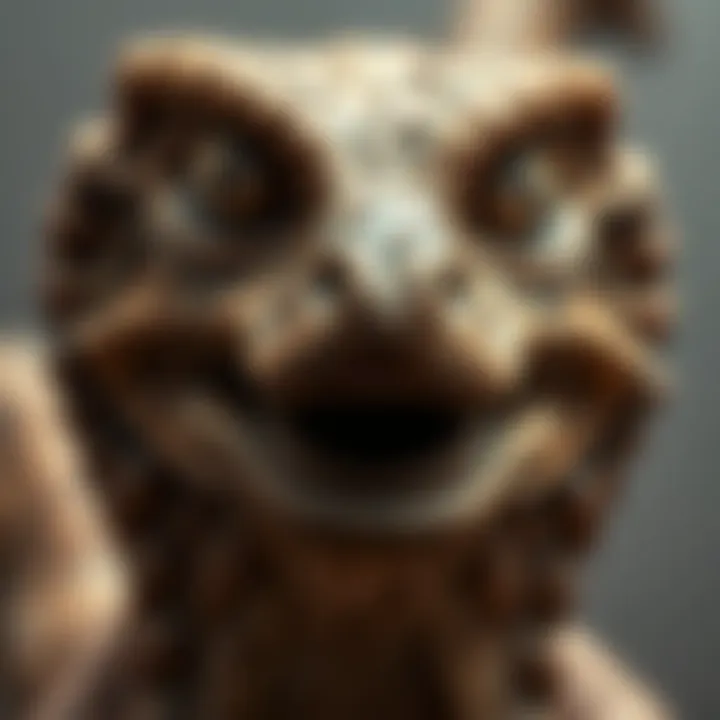
A curious discovery from ancient Mesopotamia has people questioning the nature of 7,000-year-old artifacts. The Ubaid culture produced figurines with distinct reptilian traits, prompting discussions about their purpose. Were they simply ornaments, or could they signify something deeper about human history?
The Reptilian Figures: What’s the Big Deal?
Archaeological finds from the Ubaid period (approximately 5500-4000 BC) include figurines with features reminiscent of lizards. These artifacts, characterized by elongated heads, almond-shaped eyes, and lizard-like snouts, differ significantly from other fertility idols of that time. Mainstream archaeologists often categorize them as "stylized representations" or ritual masks. Contrarily, their presence in homes and graves raises eyebrows.
"These figures are found where the Anunnaki supposedly started the first city," a commentator remarked.
The most notable piece displays a woman nursing a baby—both portrayed with reptilian traits. This peculiar detail prompts questions about artistic intent and underlying beliefs.
What Are People Saying?
Discussions on forums reveal varied opinions:
Artwork or Lore? Some argue these are merely artistic expressions, suggesting that ancient artists had vivid imaginations, perhaps influenced by hallucinogens.
Cultural Context: Comparisons with other ancient cultures arise. "Look up Vinca Figures, 8000 years old, similar if not almost the same,” a user suggested, linking myths across centuries.
Ancient Mythology: Several commenters invoked the broader context of mythology, discussing other cultures' depictions of anthropomorphic deities, like Egyptian gods resembling animals.
What’s Next for These Discoveries?
The ongoing debate reflects broader interests in human history and mythology. As modern society tries to unpack ancient narratives, these figurines stand as a reminder of humanity's long-standing fascination with the unknown.
Key Points of Interest:
🔍 Figurines display reptilian characteristics, unique for A.
📚 Conversations about connection to mythologies, like the Anunnaki.
💭 "Why weren’t they found in temples?" – A thought-provoking question raised in discussions.
The findings at Ubaid may not be just relics but reflections of humanity's quest to understand its origins. What clues do these artifacts hold about beliefs that may have endured through millennia?
What's Next for Ubaid Figurines?
As conversations around the Ubaid figurines gain traction, there’s a strong chance that archaeologists will conduct more targeted excavations in the region. Experts estimate around a 70% probability that this renewed interest will uncover similar artifacts. Additionally, the academic community may initiate interdisciplinary studies, linking anthropology with art history to shed light on the cultural implications of these finds. With many researchers intrigued by the reptilian traits, we could see increased funding towards study programs that examine the connections between these artifacts and their potential mythological ties, possibly revealing more about ancient beliefs.
Echoes from Antiquity: The 12th Century Discovery
A curious reflection can be found in the story of the 12th century with the rise of Gothic architecture. Just as ancient Mesopotamian artifacts sparked debates about their meanings, the construction of grand cathedrals led to intense discussions about spirituality and societal values. People at that time grappled with how to interpret the massive stone structures that dominated their landscapes, much like today’s discussions surrounding the Ubaid figurines. This parallel highlights how humanity often turns to its past for answers amidst uncertainty, suggesting that our quest for understanding and connection may be timeless.