
Artistic Freedom | The Gendered Representation of Death in Art
Edited By
David Harper
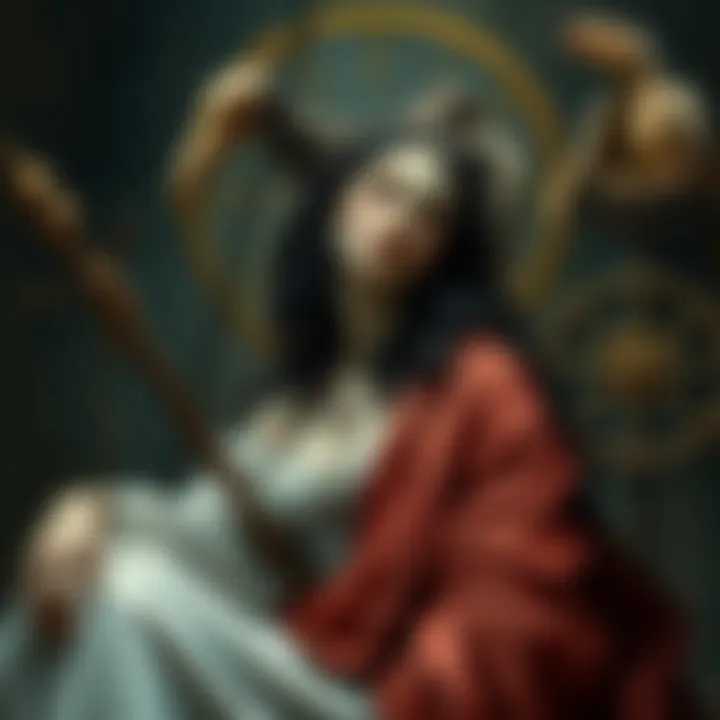
A recent discussion among art enthusiasts raises the question: Why do some painters depict Thanatos, the personification of death, as a woman? Notably, artists like Jacek Malczewski, Carlos Schwabe, and Hermann Behrens have all explored this intriguing portrayal, sparking a mix of appreciation and debate online.
Exploring Thanatos in Art
In his painting "Thanatos II," Jacek Malczewski presents death as a female figure, a choice that has ignited interest in the artistic rationale behind such representations. Although painted in 1898, the work appears to channel themes reminiscent of World War I, particularly with its contemporary visual style—evidenced by Thanatos's 1920s haircut.
Malczewski is not alone in this artistic endeavor. Schwabe, who focused more on fiction than the afterlife, illustrated the concept of death through feminine imagery in his works.
"Artistic freedom, and Death is a concept which affects all genders," commented one art enthusiast, reflecting the varied interpretations of death's gendered portrayal.
Themes Arising from the Discussion
Viewer reactions have highlighted three prominent themes regarding the representation of death:
Anthropomorphizing Death: Some commenters noted that it is common for people to transform concepts like death into relatable figures, often selecting feminine forms.
Cultural Influences: Several users pointed out that European folklore traditionally depicts death as a feminine entity, suggesting a cultural basis for these artistic choices. One user remarked, "In Latin, death is a feminine concept which gave Roman readers the perception of a feminine divinity."
Philosophical Insights: Aesthetic interpretations vary, with some suggesting that portraying death as gentle—through a feminine lens—offers a more soothing perspective on a typically fearsome concept. A user quoted a musical lyric that encapsulates this idea: "You’ve a pretty face and a warm embrace; I never dreamed death could be so sweet."
Sentiments from the Comments
Overall, the comments showcase a positive engagement with the topic, with many expressing fascination rather than criticism. Users enjoy exploring the artistic creativity behind the depictions, despite varied opinions on gender representation in art.
Key Insights
✦ The portrayal of Thanatos as female reflects diverse interpretations of death.
★ "Humans love to anthropomorphize just about anything into beautiful women," a user quipped, underscoring the trend in artistic representation.
✦ Discussions suggest a cultural context in European depictions of death, especially regarding feminine figures.
In the current conversation surrounding gender and art, these insights into Thanatos’s portrayal lead to broader questions about how death is perceived across cultures and eras.
Anticipating Trends in Artistic Expression
As conversations about artistic representations of death continue, there’s a strong chance that we will see an increase in female imagery in various cultural art forms. Artists may begin to explore more nuanced depictions that challenge traditional norms. Experts estimate around a 60% probability that discussions around gendered portrayals will lead to exhibitions specifically focused on death's representation. This shift could encourage a broader acceptance of diverse interpretations and invite a fresh wave of creativity in the art world. Additionally, social media platforms might amplify these discussions, sparking further debate among art lovers and informal forums about the representation of abstract concepts.
An Unexpected Echo from Literary History
In an intriguing parallel, consider how the 18th-century Gothic novels often personified death using romanticized motifs, reflecting societal fears about mortality. Like current portrayals of Thanatos, these novels frequently featured female figures as symbols of death, exploring both allure and horror. This historical lens suggests that society’s relationship with death—and its representation—has consistently mirrored cultural attitudes. As such, today's artistic expressions may resonate with these earlier literary trends, indicating that the dialogue around death is a recurring theme in human culture, continuously evolving yet fundamentally linked to our collective fears and fascinations.