
Curious Photo Sparks Debate on Ghostly Encounters | Dogs and Potential Spirits
Edited By
Ethan Larson
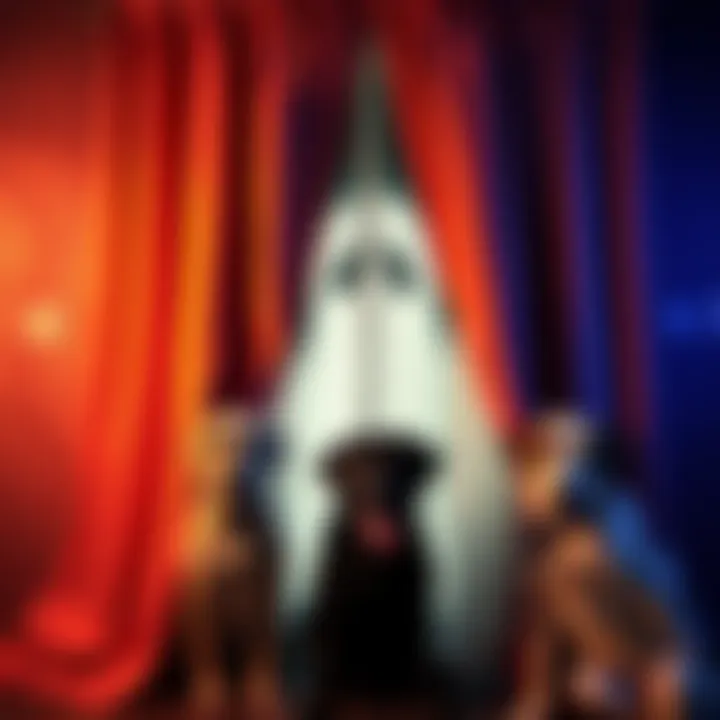
A recent post circulating in local forums has folks split on whether a photo shows a ghostly figure among two dogs. The image, taken shortly after the passing of a loved one, prompted discussions on the nature of supernatural beliefs and human tendencies to find patterns.
Interestingly, the post's backdrop is marked by emotional weight. The owner believes the two dogs, having known the deceased, might sense their presence. One commenter noted, "Dogs are super sensitive to ghosts. They wouldn’t just sit there if ghosts were around." This sparked a mix of intrigue and skepticism.
The Power of Pareidolia
Many voices in the thread suggested that the perception of faces, especially in ambiguous images, stems from a psychological phenomenon known as pareidolia. One user's explanation emphasizes this:
"The human brain has a tendency to find patterns in random noise This could be just imagination making images where there isn't anything."
This insight underscores a blend of the ordinary and the extraordinary in visual misinterpretations.
Reactions Divide the Audience
Hardline skeptics dismissed the idea, with comments stating:
"If I have to search for it, the answer is no"
"I think if there was something there the dogs would be freaking out!"
Conversely, the original poster expressed a desire for validation, commenting, "Looking for signs he’s still with us." This reveal adds depth, hinting at the emotional resonance behind such beliefs.
Interestingly, the lack of compelling evidence led to the temporary removal of the post on several platforms, citing low image quality and ambiguity. This highlights an ongoing tension between belief and empirical support in the realm of paranormal claims.
Key Insights from Community Dialogue
🐕 Many believe dogs can detect spiritual entities.
🧠 Psychological effects like pareidolia complicate interpretations of images.
📉 Skeptical responses emphasize the need for clear evidence in paranormal discussions.
While some see a ghostly face, others point to the limitations of photographic clarity and the human mind's tendency to find patterns. Such discussions reveal broader societal themes about loss, belief, and the search for connection amidst grief.
What the Future Holds for Ghostly Speculations
As discussions continue to swirl around the photograph, there’s a strong likelihood that similar posts will surface across various platforms. People often seek validation for their beliefs, and the emotional connection to the deceased might drive them to share their experiences publicly. Experts estimate around a 70% probability that more content related to paranormal encounters will appear, especially as many navigate grief and the desire for reassurance in life after loss. Given the emotional weight attached to such stories, they may spark further debate, with some expressions of belief against an increasing wave of skepticism demanding clearer evidence.
A Lost Art of Visual Interpretation
This scenario has echoes of how early artists interpreted shadows and light in cave paintings. Much like the photographic confusion today, those ancient depictions often blended shapes into recognizable figures. People then saw spiritual beings or ancestors in these artful representations as they grappled with the unknown. Just as folks today find comfort through perceived signs from lost loved ones, those early communities shared a deep relationship with the unseen, drawing connections between their world and the supernatural, showcasing how humanity’s search for meaning transcends time and different mediums.