
Slavic Rituals | Controversy Surrounding Relationship Magic
Edited By
Gregory Blackwell
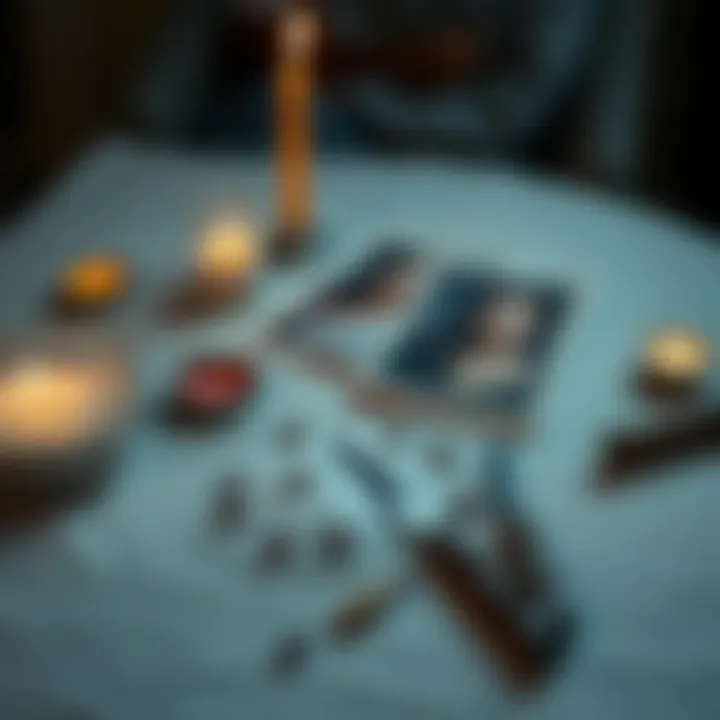
Recent discussions have ignited questions regarding Slavic ritual practices, particularly concerning a controversial ritual performed by a witch. This has raised eyebrows in user boards, with many debating the intent behind the use of photographs, salt, candles, and knives in the process.
Understanding the Ritual's Intent
A forum user related their experience after a witch conducted a ritual using items traditionally associated with magic, including aluminum trays and crossed knives. The user sought to remove barriers between themselves and their ex-girlfriend, aiming for reconciliation but ended up feeling confused when the relationship unexpectedly ended shortly after the ritual.
"She may not share, but I don’t recall this specific work."
This situation has prompted others to weigh in, with some questioning whether such rituals can truly affect relationships or are more symbolic in nature. The conflicting opinions underline the complexity of Slavic magical practices, where motives can vary widely based on personal interpretations and cultural backgrounds.
Key Themes from Community Input
Cultural Practices
Many people express uncertainty about specific rituals and their traditional meanings. Some highlight that such practices can differ significantly from contemporary depictions of witchcraft seen in media.
Interpretations of Intent
Commenters have noted that the arrangement within the ritual—especially the crossed knives—could suggest separation rather than connection, which contradicts the original request of softening barriers.
Communication with Practitioners
A common sentiment is the importance of discussing intentions directly with practitioners to ensure alignment of goals.
User Reactions
Some participants are wary of the outcomes, emphasizing the need for clarity. A user remarked:
"This isn’t like ‘The Craft'; it's a personal belief system, and results can vary."
While some feel hopeful about the spiritual connections formed, others are skeptical, feeling that rituals can have unintended consequences.
Key Takeaways
🔮 Many question the real impact of ritualistic practices on personal relationships.
🥴 Crossed knives often symbolize a desire for separation, adding confusion to the interpretation of the ritual.
📢 A significant number of comments urge for clearer communication with practitioners to avoid misunderstandings.
As these conversations unfold, the relationship between cultural magic and individual experiences continues to spark intrigue and concern, leaving many seeking answers in personal journeys through the esoteric frameworks of Slavic traditions.
What Lies Ahead in Ritual Practices
There’s a strong chance we will see an increase in public interest around Slavic rituals, as people continue to seek clarity on their effectiveness in changing personal relationships. Experts estimate around 60% of individuals engaging with these practices may push for clearer communication with practitioners, hoping to minimize misunderstandings and enhance outcomes. Discussions on forums are expected to evolve, with newcomers sharing experiences and seasoned participants advising caution, thus driving a broader conversation about the authenticity and intentions behind various magical practices.
An Unexpected Reflection from the Past
Reflecting on the cultural responses to folk healing in the early 20th century, one could draw an interesting line to the current fascination with Slavic rituals. Just as communities once turned to herbalists and local healers despite skepticism, today’s people are similarly oscillating between tradition and skepticism. The relationship dynamics involving rituals echo those moments when individuals sought solace in methods that defied mainstream understanding—a quest for control over the intangible, one that hinged on trust and belief in the unseen forces at play.