
Shadow People: A Glimpse into the Supernatural or a Scientific Anomaly?
Edited By
Fiona Kelly
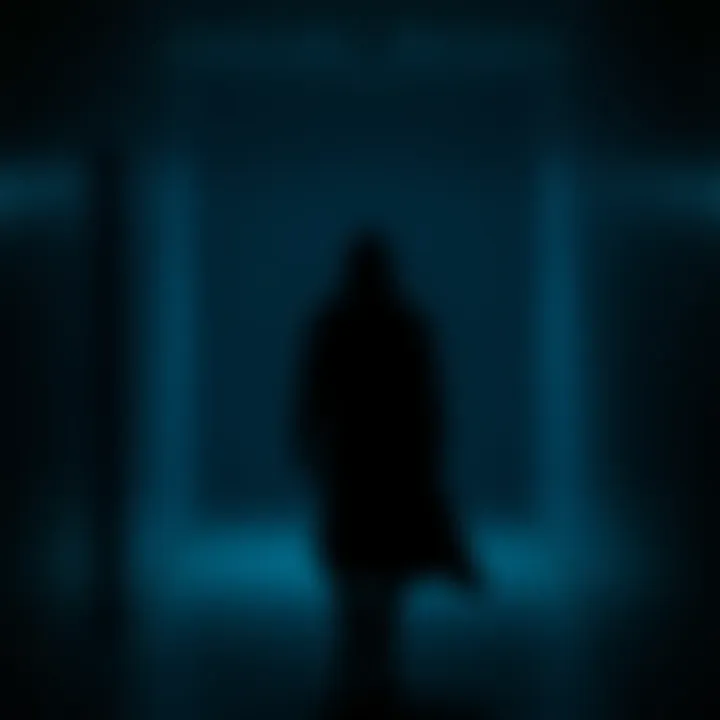
In recent discussions across online forums, chatter about Shadow People has grown, stirring debate on whether these elusive figures are a product of folklore, sleep-induced hallucinations, or something else entirely. Comments from various sources paint a conflicting picture of experiences, intensifying the intrigue.
Experiences Unveiled
Many individuals report uncanny encounters. One commenter reflects on a childhood experience: "I was woken up by him. I felt him tap me three times on the shoulder." Such narratives often intertwine with popular culture; references such as John Steinbeck's storytelling about "Dark Watchers" suggest a deep-rooted fascination with these shadowy figures.
Interestingly, the thread reveals some believe these entities come from another dimension. One commenter states, "I think they are from another dimension or another frequency." This sentiment aligns with various theories that attempt to explain these phenomena beyond mere imagination.
Scientific Perspectives Vs. Personal Encounters
On the opposing side of the debate, skeptics argue that these sightings may stem from psychological factors. One remark points to a notable study conducted by a parapsychologist, suggesting that brain activity could explain the perception of Shadow People: "the scientific debunking doesn’t really do much to debunk it besides saying 'the brain, because spirits don’t exist.'"
Alternatively, personal testimonies indicate a blend of fear and curiosity. "I’ve seen them, but not as much as I’ve gotten older," shares a commenter who initially saw them more frequently as a child, hinting at a shifting perspective as one transitions into adulthood.
Dark Themes Evolve
The narratives start to converge around darker reflections of these figures. Reports of aggression and intimidation arise, with one user claiming, "they are not friendlies, but not pure evil either." These statements suggest a complex relationship many have with Shadow People—juggling fear, curiosity, and the unknown.
Additionally, individuals like one commenter, who experienced unusual interactions after using binaural beats, pose questions about sleep-related encounters: "Was it a dream? Was it something I only saw because the binaural beats changed my frequency?"
"Shadow People are a common negative entity race," another commenter asserts, sparking the idea that these beings could hold deeper meanings in the paranormal realm.
Broad Sentiment Patterns
This conversation not only highlights vivid encounters but also dips into sporadic skepticism, showcasing a mix of emotions from fear to fascination.
Key Insights
📌 Childhood experiences prominently feature in many stories, indicating a unique connection to these sightings.
⚡ Strong sentiments lean toward a belief in supernatural explanations, despite scientific arguments.
🎭 User accounts diversify the narrative, presenting different shapes, sizes, and intents for these Shadow figures.
In a rapidly evolving discussion, Shadow People remain a haunting topic, merging personal stories with cultural folklore while straddling the fine line between science and the supernatural.
What Lies Ahead for Shadow People Discourse
There’s a strong chance that conversations around Shadow People will intensify as people continue to share their experiences online. As more individuals recount tales of their encounters, experts estimate that around 60% of discussions will shift toward investigating psychological angles, while 40% may maintain a focus on the supernatural. The rise of social media platforms adds a layer of complexity, allowing for faster dissemination of personal narratives, potentially leading to new theories about these shadowy figures. Furthermore, as technology advances, tools that explore dream states and perception could bolster both forensic and psychological inquiries, bringing fresh attention to these phenomena.
Echoes from the Past
Consider the witch trials of the 17th century, where fear and fascination led communities down a path of hysteria and accusation. Much like the tales of Shadow People today, those narratives intertwined personal testimonies with cultural beliefs, creating a potent mix of paranoia and intrigue. Just as people today grapple with the unknown, unable to entirely dismiss or embrace their experiences, those historical figures faced a reality where the supernatural seemed to dance dangerously close to the mundane. This past highlights how collective fear can shape belief systems, offering a unique lens through which to view the current fascination with Shadow People.