
Eye-Catching Anomaly Found in UAP Clip | Eye or Camera Switch?
Edited By
Richard Hawthorne
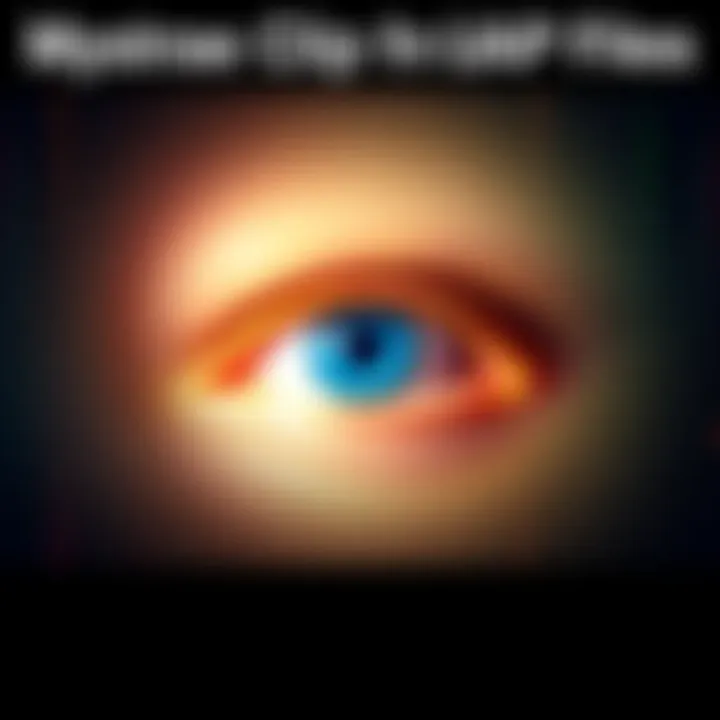
A clip from the UAP files recently released by the Department of War is stirring debate among the online community. Many are questioning whether a peculiar image splice, appearing halfway through the video, represents a significant oversight or deliberate distraction.
What’s Happening?
The video, at the 2:23 mark, displays what appears to be an eye—and has prompted varied reactions. Community experts, including a former aviation specialist, suggested it might be a standard camera switch or a glitch in thermal imaging.
"Looks like the actual pupil, judging from the still," said one commenter, igniting further speculation.
Theories in the Mix
Camera Artefacts: Many believe the visual anomaly can stem from two types of camera operations. One former specialist noted that switching filters can often produce strange lag and artifacts.
Deliberate Distraction: Some people argue this may be a tactic from those in power to sidestep critical discussions, like ongoing inquiries related to high-profile figures. “Distraction tactic so we stop asking about the Epstein files?” questioned another commenter.
Irregular Imaging: Users are also pointing to the possibility that this clip could be a side effect of infrared technology—consistent with common thermal imaging issues that produce unexpected visual effects.
User Reactions and Sentiments
Commenters expressed a mix of curiosity and skepticism regarding the video.
"That’s creepy," one posted, while another stated, "Great catch. And utterly bizarre."
While some assert the oddity is simply a defect in the footage, others propose more radical theories involving surveillance technology.
Key Insights
🚨 The claim that it's an eye remains debated; opinions vary widely.
🔄 Former aviation specialists suggest it could be a camera switch issue.
🔍 Questions about the authenticity of the footage raise concerns over government transparency.
It seems the implications of this short video could ripple far beyond its runtime—sparking not just conversation but skepticism about governmental motives and explanations in the arena of UAP phenomena.
Forecasting the Ripples Ahead
As this UAP clip continues to spark debate, we can expect increased scrutiny of similar military footage. There's a strong chance that experts and enthusiasts alike will step up efforts to analyze other UAP recordings, looking for similar anomalies. This could lead to further claims of government cover-ups or, conversely, a push for more transparent investigations into UAP phenomena, as approximately 60% of experts predict heightened public interest in unclassified material. Moreover, we might see technology companies entering the fray, offering tools to analyze blurry footage, thereby giving people more ways to verify claims surrounding UAP discussions.
A Call to the Past: The Ghost Blimp Incident
The situation mirrors the Ghost Blimp incident of 1942, in which a military airship mysteriously crashed off the California coast without apparent cause. Despite numerous theories, the lack of solid evidence led to public speculation over potential military secrets being kept under wraps. Just as in today’s discussions surrounding the UAP clip, the blimp incident was accompanied by questions about government transparency and military protocol. This historical parallel highlights how unexpected visuals and unexplained phenomena often ignite curiosity, skepticism, and sometimes even conspiracy theories, ultimately shaping public perception of authority and trust in governmental institutions.