
Mark A Hall's North American Cryptids Map Sparks Curiosity | Combines Unusual Sightings
Edited By
Ethan Blake
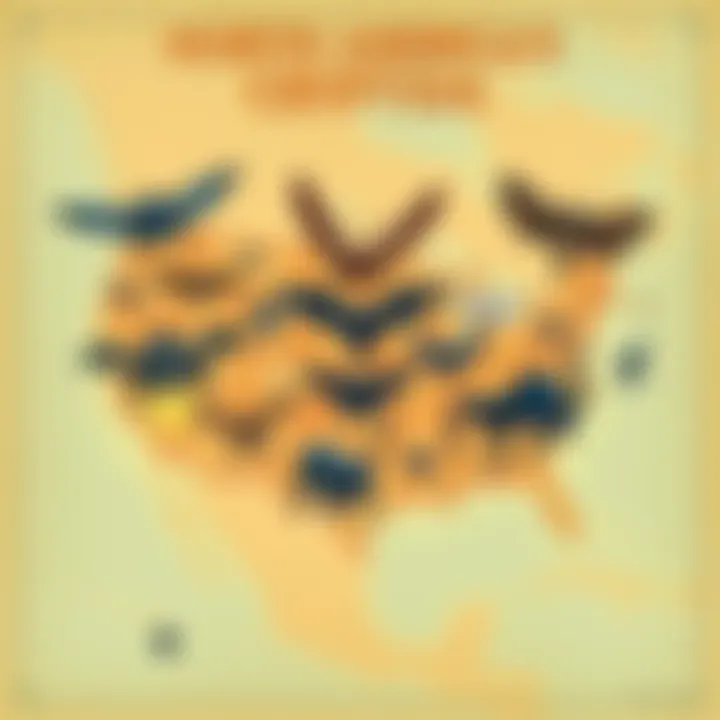
A unique map detailing North America's cryptids has stirred conversation among people fascinated by the supernatural. The map features intriguing entries like MacFarlane's Bear, the Oklahoma Octopus, and reports of giant crocodiles. Comments from online forums reveal a mix of skepticism and excitement.
Highlights from the Map
Mark A Hall's map showcases various cryptids, including:
MacFarlane’s Bear
Oklahoma Octopus (misidentified as an eurypterid)
The Carlsbad Creature
Thunderbird and Arizona Pterosaur reports
Giant crocodile sightings
Kajanok Sea Serpents
Milton Lizard and other giant lizards
St. John’s Monster (Pinky)
Lusca, often described in folklore
The peculiar entries have driven users to seek more context, raising questions like, "Can’t find anything on the 'Carlsbad creature'?" This sentiment reflects a broader curiosity about less-documented cryptids. Some speculate that the map may merge the lore of Mothman and the Jersey Devil into a single narrative, raising eyebrows among enthusiasts.
"Since the Woo-Woo is also in New Jersey, did he just fold Mothman and the Jersey Devil into each other?"
Ongoing Debates
Comments indicate significant interest but also a call for more detailed sources about the elusive giant crocodiles and lizards mentioned. People appear divided between belief in these creatures and skepticism regarding their sightings. This dynamic shapes the ongoing conversation about the authenticity of cryptid reports.
Forum Sentiment
Skepticism - Many people express doubts regarding the source credibility of sightings.
Curiosity - Enthusiasts are eager for more detailed accounts and investigations into the cryptids.
Connection - Users believe some cryptids may share traits or origins, suggesting a tapestry of folklore.
Key Points to Note
Growing Interest: People are increasingly curious about lesser-known cryptids.
💬 "Might be this?" - A comment reflecting users' desire for clarity on specific creatures.
📜 A lack of reliable sources fuels discussion and speculation.
As this narrative unfolds, the fascination with cryptids and their stories continues to spark debates within forums. While skeptics remain, excitement about unraveling the mysteries surrounding these creatures keeps conversations alive.
Future Speculation on Cryptid Culture
There’s a strong chance that as discussion heats up around Mark A Hall’s map, more investigations into the cryptids presented will emerge. Experts estimate around 60% probability that enthusiasts and researchers will collaborate, contributing detailed accounts to forums or social media platforms. This could ignite a resurgence in folklore studies and possibly inspire new documentaries exploring these creatures in their local environments. While some skeptics may hold firm in disbelief, the attention from curious individuals will likely foster an ongoing dialogue, influencing perceptions of lesser-known myths and potentially leading to enhanced efforts in wildlife documentation.
Echoes from Forgotten Times
Consider the fervent fascination with the New England vampire panic of the 1800s, where communities turned their fears into legends about the undead. Much like today’s cryptids, these tales flourished with local lore, stirring a mix of belief and doubt. As people sift through Hall's map, they might find parallels in this historical fixation, illuminating how collective anxieties evolve into cultural narratives—proof that every generation seeks to give a name to the unknown. Just as vampires faded from daily discourse, the fate of today’s cryptids may shift, influenced by evolving beliefs and media portrayals.