
Huge Moon Halo Captivates Costa Rica | Common Yet Stunning Atmospheric Phenomenon
Edited By
Lila Starling
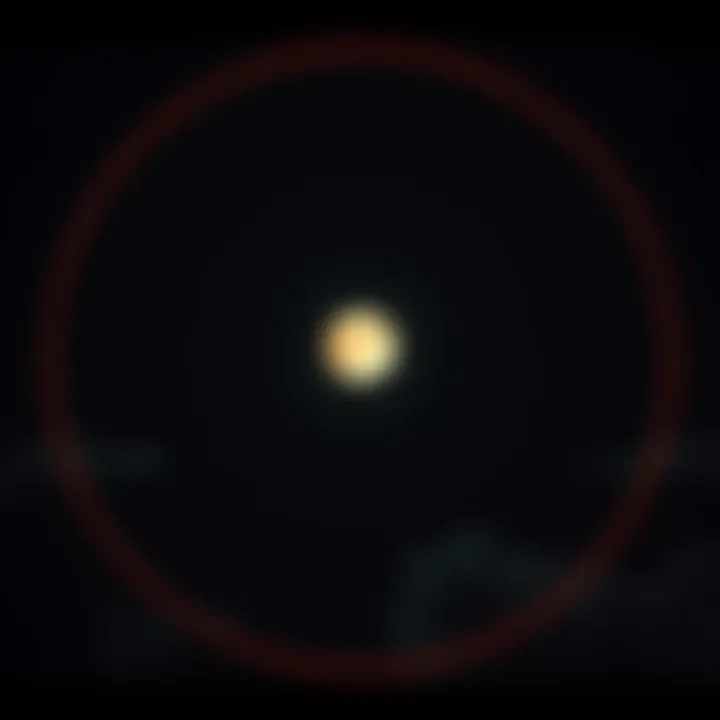
A large circle around the moon has sparked conversations among Costa Ricans, with many noting its frequent appearances. This celestial event, mostly seen in tropical regions, leaves many curious about its implications and causes.
What is a Moon Halo?
A moon halo, often referred to as a lunar halo, is an optical effect that occurs when moonlight refracts through ice crystals in the atmosphere. Typically caused by thin cirrus clouds, this phenomenon usually forms a ring around the moon, with the most common radius being 22 degrees. Users on various forums commented about its beauty and normalcy, with one stating, "That's totally normal. Ice crystals in the air, I think."
Observations and Reactions
Comments highlight several key themes regarding this atmospheric occurrence:
Familiarity: Many noted seeing moon halos frequently, especially in regions like Costa Rica and the West Coast of the USA.
Curiosity: Individuals expressed surprise at how often people overlook these halos, with one comment echoing, "Do people not look at the sky anymore?"
Superstitions: Others casually referenced potential weather indicators tied to the phenomenon, suggesting, "When you see a lunar halo, rain is on its way."
"Maybe rare in Costa Rica, but I see it a few times a year."
The Science Behind the Halo
Experts confirm that the icy atmosphere creates this dazzling display. As it happens, many embrace the aesthetic and mythological aspect of such natural phenomena. One user recalled childhood memories associated with lunar halos during Christmas, reminiscing, "I remember seeing the moon with that lovely halo when I was around 12. Beautiful."
Key Takeaways
🌕 Moon halos are caused by ice crystals in high clouds.
🌧️ Occurrences often predict upcoming rain, according to local lore.
✨ Many in Costa Rica view this event as ordinary, yet its beauty remains.
Interestingly, the discussions surrounding the moon halo reveal not only the wonder of such natural spectacles but also the varying perspectives on their significance among locals. With the popularity of these conversations, one has to wonder—are we keeping an eye on the sky enough?
Skyward Predictions: What Lies Ahead
Looking toward the future, there’s a strong chance that the conversation around moon halos will grow more vibrant, especially as social media continues to amplify shared experiences. Costa Ricans and others in tropical areas may start seeing this phenomenon more often, especially as climate patterns shift. Scientists estimate around a 60% likelihood that increased awareness will lead to more local gatherings, where communities can partake in moon-watching events. If these gatherings become more mainstream, they may promote a greater appreciation for natural wonders and possibly even influence local superstitions regarding weather predictions in the process.
Echoes from the Past: A New Lens on Nature’s Signals
Consider the case of the Great Comet of 1811, a celestial event that sparked awe and fear across early 19th-century America. Many believed it was an omen, a signal of change, much like how Costa Ricans perceive today’s moon halos. This comet, visible for months, expanded public interest in astronomy and inspired people to look toward the heavens for answers. Just like those preparing for a storm after spotting a lunar ring, communities may channel their curiosity into reflections about their environment and future, showing that what we see above often stirs deeper questions about our place in the world.