
Saffron | The World’s Most Expensive Spice Reveals Surprising Facts
Edited By
Elena Duran
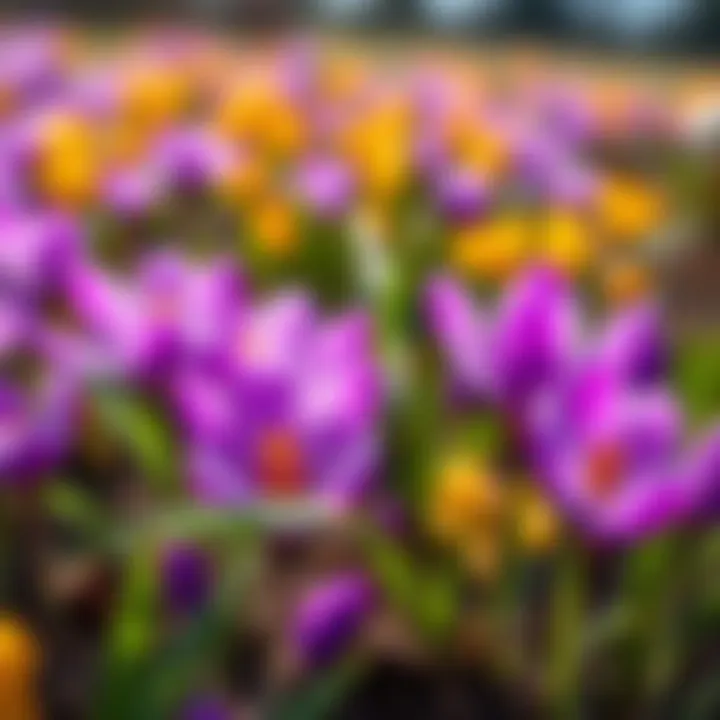
Saffron, a vibrant spice adored by chefs and home cooks alike, is sparking interest due to its price and unique properties. As the most expensive spice globally, its intricate harvesting process is stirring discussions across online forums. Recent insights reveal not just its culinary impact but also historical significance and potential health benefits.
Unique Origins and Labor-Intensive Harvesting
Saffron is derived from the Crocus sativus flower, with each blossom yielding just three red stigmas. Harvesting this delicate spice requires intense labor; it takes about 75,000 to 200,000 flowers to produce just one pound of saffron. This backbreaking work, all done by hand, is what drives the price into the thousands per pound. A user shared, "Imagine a purple field turning into a mountain of delicate red threads."
Historical Significance of Saffron
Historically, saffron was more than just a culinary staple. In ancient cultures, it served as a royal perfume and dye. According to legend, Cleopatra bathed in saffron water to enhance her beauty before meeting suitors. The spice was also used to dye fabrics a striking golden color, reflecting its value in society. This past link raises questions about how much we truly appreciate saffron today.
Surprising Health Benefits Revealed
Beyond its culinary uses, saffron is making headlines as a potential natural remedy for depression. Some people claim it eases symptoms effectively, drawing interest from health enthusiasts. Commenters noted, "It’s also a natural treatment for depression!" Meanwhile, others shared personal anecdotes about using saffron for health purposes, like alleviating menstrual pain.
Culinary Versatility and Aroma
When added to dishes, saffron works wonders. Just a tiny pinch can give an entire pot of rice a golden hue, contributing a unique flavor described as honey-like, earthy, and slightly floral. Although not everyone appreciates its scent—some even equate it to a soapy or bleach-like odor—its culinary applications remain widely praised.
"I had no idea this was a thing? I’ve always thought saffron had a soapy smell"
Key Insights
Expensive Process: To create 1 pound of saffron, about 200,000 flowers must be harvested by hand.
Historical Uses: Saffron once served as a royal perfume and was used for dyeing fabrics.
Health Claims: Some views suggest saffron could assist in treating depression and easing menstrual pain.
The fascination with saffron continues to unfold as people share their experiences and knowledge online. As many remain captivated by its culinary uses and historical significance, the brutal harvesting process and potential health benefits keep saffron at the forefront of discussions.
Future Trends in Saffron Consumption
As saffron garners more attention, there's a strong chance that its popularity will prompt increased investment in sustainable harvesting methods. Experts estimate around 15-20% growth in saffron production over the next five years, honing in on eco-friendly practices to meet rising demand. Moreover, more chefs and food enthusiasts are likely to explore saffron's health benefits, pushing research into its potential uses as a natural remedy. Increased awareness in cooking and well-being may see more innovative saffron-infused products entering the market.
A Historical Twist on Modern Spice
A less obvious parallel lies in the evolution of coffee consumption. Much like saffron, coffee originally held high prestige, valued for its stimulating properties and often tied to lavish social events. Over time, it transitioned into a daily staple, available at corner shops and cafes, transforming everyday rituals. This trajectory suggests that saffron, too, might shift from a luxury item reserved for special occasions to a common household spice, forever changing how we interact with its rich flavors and benefits.