
Scientists Discover Alien-Like Creature Deep Beneath Antarctica Ice | 20-Armed Marine Mystery
Edited By
Elena Duran
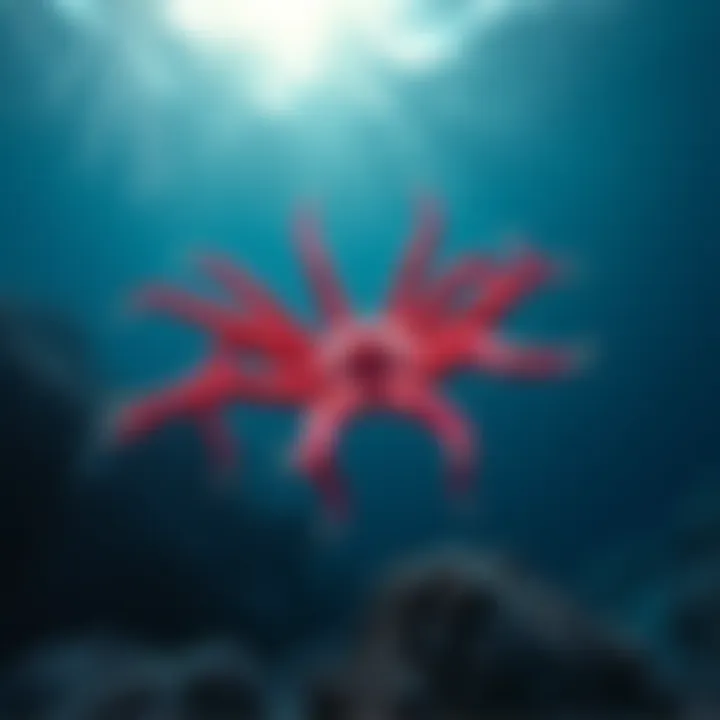
Recently, researchers unveiled a marine species lurking 1,170 meters below Antarctica's ice, raising eyebrows and sparking discussions. The creature, known as Promachocrinus kerguelensis or the Antarctic Feather Star, possesses 20 arms and resembles something straight from a sci-fi flick.
Context of the Discovery
While the species has caught the attention of the public, its discovery isn't as recent as many believe. "It was discovered 3 years ago," a commenter noted, hinting at the lengthy timescale of marine research. However, recent headlines have revived interest, using sensational language that some feel is excessive.
Mixed Reactions from the Public
The buzz surrounding this creature has led to a variety of opinions on social forums:
Some folks find it fascinating, expressing curiosity about its origins. One user remarked, "If this is real, that’s really interesting."
Others criticize the sensationalism, believing the headlines are mere clickbait: "Appears to be from another planet?" rejected another commenter.
Interestingly, many noted that strange-looking marine species are not uncommon. "Bitch, like 90% of sea life look like it came from another planet,” one user quipped.
What Do We Know About the Antarctic Feather Star?
Promachocrinus kerguelensis belongs to a group called crinoids, which thrived on Earth millions of years ago. These creatures, with their feather-like appearance, are adapted to extreme environments. The Antarctic Feather Star isn’t just a curiosity; it reminds us of Earth's biodiversity and survival mechanisms under harsh conditions.
"Animals evolve in such a way in totally foreign environments that are under immense pressure and darkness." - Forum user.
Key Insights from the Discussion
• Criticism of Sensationalism: Many feel the description exaggerates the situation.
• Scientific Curiosity: There’s genuine interest in the species and its ecological significance. A comment mentioned, "Crinoids like these dominated the young seas of our planet."
• Diversity in Marine Life: People challenged the surprise over such creatures, suggesting that many deep-sea life forms already look alien-like.
Looking Ahead
As discussions continue on various platforms, this marine discovery opens dialogue about marine biodiversity and climate resilience. What other extraordinary life forms are hidden beneath ice and in the deep? Only time will tell as scientists continue to explore these uncharted depths.
What Lies Ahead for Marine Research
There’s a strong chance that the recent fascination with the Antarctic Feather Star will lead to intensified research efforts in the field of marine biology. Experts estimate around 30% of marine organisms remain undiscovered in the depths of the oceans. As scientists use technology to explore these untouched environments, curiosity will likely propel funding for expeditions to areas previously considered too extreme. Discussions emerging from this discovery could also influence conservation strategies, as researchers stress the importance of protecting unique ecosystems like those beneath Antarctic ice.
A Twist from History
In a way, the excitement surrounding the Antarctic Feather Star mirrors the reactions sparked by the discovery of the Okapi in 1901 — an animal that baffled a world used to familiar fauna. Just as skeptics speculated its existence, today’s critics question whether such discoveries warrant the hype. The Okapi's allure as a creature that blended familiar and alien features captivated both scientists and the public, emphasizing that our understanding of biodiversity is never static. Similar reactions occurred when the coelacanth was found alive in 1938, challenging preconceived notions of extinction. The past teaches us that every surprising find reminds us how little we still know about our planet's hidden inhabitants.