
Sleep Paralysis Art Sparks Discussion | Users Share Experiences and Theories
Edited By
Johnathan Grey
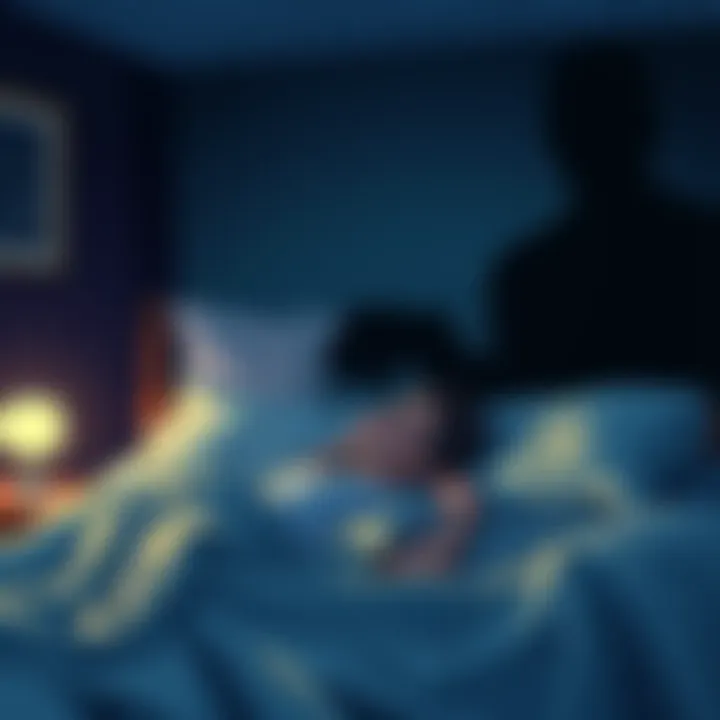
A recent drawing depicting a sleep paralysis experience has ignited a lively discussion on forums. Comments range from artistic appreciation to theories about the psychological implications of such phenomena. As the conversation unfolds, users explore deeply personal and often eerie memories associated with sleep paralysis.
Context of the Discussion
The post features a drawing reflecting a sleep paralysis experience, with the creator expressing uncertainty about the character depicted. Interestingly, a mix of reactions emerged, from artistic praise to skepticism about the nature of the depicted entity.
Voices from the Community
Participants in the discussion illustrate varied experiences of sleep paralysis. Notably, one person recounted their own horrifying encounters: "My sleep-paralyzed demon is hunchback and crawls. He usually starts sucking my whole face." Another user reflected on the psychological dimensions: "Entities you see during sleep paralysis are usually fragments of yourself that you haven’t integrated."
Key Themes Emerging from Comments
Hallucinations and Reality: Some commenters argue that not all phenomena in sleep paralysis are tied to personal psyche. One user noted, "Sometimes it can be just spooky because it's a hallucination."
Art Appreciation: Users praised the artistic representation, saying things like, "This looks cool, ngl" and "I really like your drawing."
Integrating Fear: A recurring insight involved using encounters as opportunities for growth, with a user suggesting, "If you can break free of the paralysis, that seems to subdue them."
Sentiment Patterns
The sentiment in the comments fluctuates, with a blend of positive responses to the artwork and serious discussions about the psychological aspects. Users share a mix of fear and fascination, highlighting the complexity of sleep paralysis experiences.
Key Takeaways
🔍 Many commenters focus on hallucination vs. psychological implications.
🎨 Artistic reception remains largely positive among users.
💭 Insight into integrating fear presents a unique perspective on sleep paralysis.
As these conversations evolve, they shine a light on personal experiences with sleep paralysis and the diverse interpretations individuals bring. What do such experiences reveal about our subconscious fears? The dialogue continues, emphasizing a shared intrigue in the unexplained.
What Lies Ahead in Sleep Paralysis Discussions
As these conversations around sleep paralysis continue, there’s a strong chance that more people will share their personal experiences, contributing to a deeper understanding of the phenomenon. Experts estimate that discussions like these may lead to increased interest in psychology and neuroscience, as individuals seek to make sense of their frightening encounters. This surge in curiosity could prompt researchers to explore correlations between sleep paralysis and mental health, perhaps increasing awareness at a societal level. Furthermore, artistic expressions inspired by these experiences might flourish, sparking new trends in how people represent their fears.
Connecting Threads from the Past
A compelling parallel emerges when we consider how people's interpretations of dreams have evolved over centuries. Much like the fears surrounding sleep paralysis, dreams were once seen as omens or messages from the divine, leading to a rich tapestry of artistic and literary exploration. In ancient cultures, nightmares were thought to be the work of malevolent spirits. As understanding of psychology advanced, perceptions shifted—just like how the current framing around sleep paralysis contemplates both psycho-emotional elements and the eerie allure of unexplained experiences. This historical shift highlights how society’s relationship with fear and the unknown can evolve with time, revealing deeper insights and inspiring new forms of expression.