
Celtic Gods | Minimalist Art Sparks Vibrant Discussions
Edited By
Ethan Blake
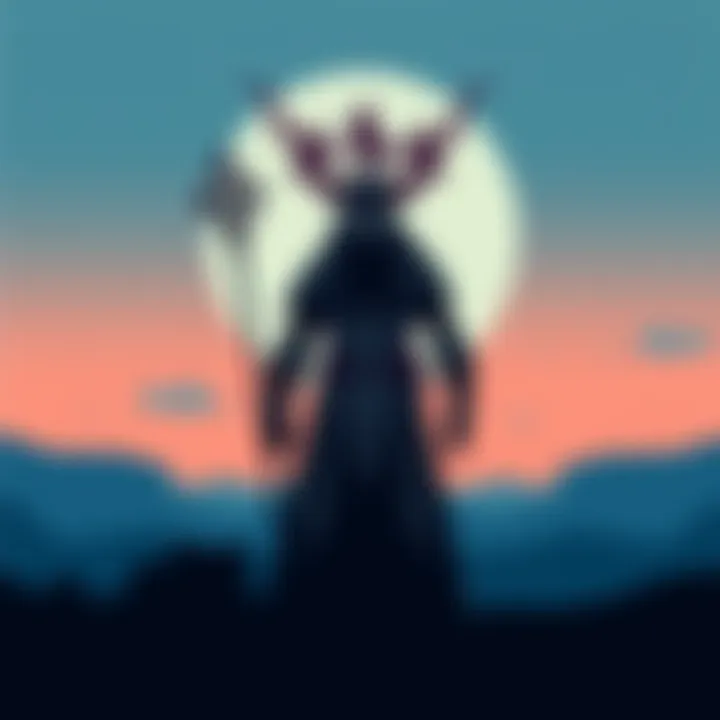
A new art project showcasing Celtic deities has ignited a lively conversation among enthusiasts, with people sharing thoughts on design choices and names. As a creator presents a minimalist poster series, comments reveal insights and viewpoints on the proper representation of these ancient figures.
Artists Explore Celtic Mythology
The latest artwork features gods such as Dain Cécht and Morrigan, prompting viewers to dissect the details and interpretations. One commenter questioned the choice of antlers for Dain Cécht, highlighting the stylistic decisions artists make when illustrating mythological figures.
Interestingly, another user clarified that "Morrigan" is more of a title than a name, advocating for the inclusion of "The Morrigan" in future pieces. This discussion emphasizes the nuances within Celtic lexicon and encourages further exploration of lesser-known figures from the mythology.
Positive Responses Fuel the Creative Push
Comments have largely been positive, with feedback like, "Yasss we love it!!!" underscoring appreciation for the artwork. The community's enthusiasm is palpable, suggesting a growing interest in Celtic culture and aesthetics beyond traditional interpretations.
"Art doesn't just represent. It redefines."
This statement resonates as fans encourage the artist to expand the series further.
What’s Next for the Series?
As the project develops, the artist seeks input on which gods or lesser-known figures should be included next. This growing involvement hints at a potential blend of art and folklore that could reshape how these deities are perceived in contemporary culture.
Key Insights:
⭐ Positive sentiment in comments, pointing to community support for the art series.
📣 "Morrigan" debated as a title rather than a name, suggesting depth in mythology.
🔄 Calls for more lesser-known figures hint at expanding cultural interest.
The ongoing discourse highlights a blend of historical reverence and modern artistic expression. With discussions continuing to unfold, the project promises to keep attracting attention and may even influence how Celtic mythology is viewed through a contemporary lens.
Anticipating Next Steps in Celtic Art
There's a strong chance that this project will expand into new territories as the artist integrates feedback from the community. With growing support, experts estimate around a 70% likelihood that we’ll see more modern interpretations of lesser-known Celtic figures. The vibrant conversations hint at a desire for deeper engagement with these myths, potentially leading to collaborations with historians or folklorists. If current trends hold, future releases may not only include an array of deities but could also feature community-generated artwork, blending personal expressions with cultural heritage.
Echoes of the Renaissance
This unfolding art movement takes cues from the Renaissance, a time when artists revitalized classical mythology to resonate with contemporary society. Just as figures like Botticelli employed ancient themes to inspire modern thought, today's creators may reshape how we view Celtic deities. In both cases, the artists reconnect with the past while charting new paths for appreciation and understanding, sparking discussions that blend history with personal interpretation. As this project evolves, it may well inspire a renaissance of interest in Celtic traditions, much like how the Renaissance breathed new life into classical antiquity.