
Bigfoot: An Artistic Perspective | Creep Factor Turns Heads
Edited By
Ethan Larson
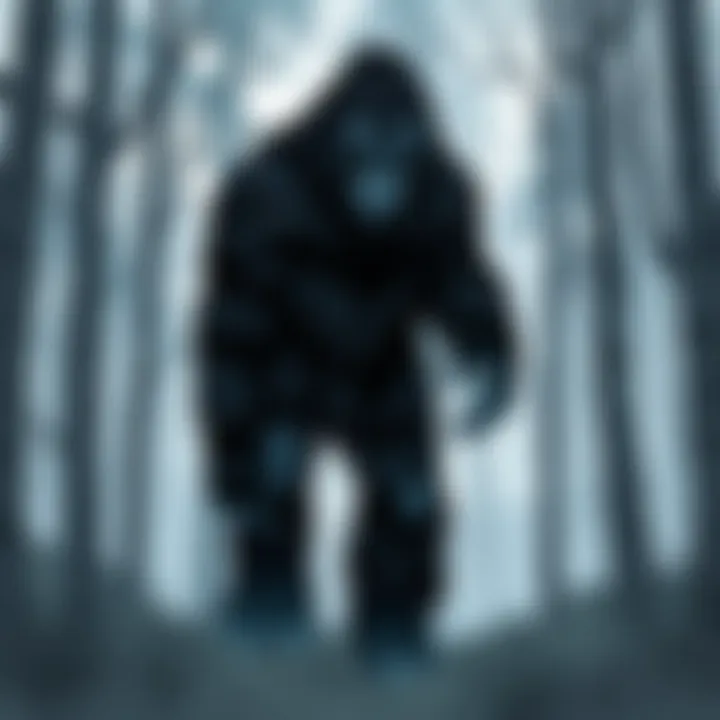
A new drawing featuring Sasquatch has sparked discussions on the intersection of cryptozoology and art. The piece, crafted with brush pens and Sharpie markers, pushes boundaries on the creature's depiction. Critics are divided, raising questions about the legitimacy of such portrayals.
The Craft Behind the Creature
The artist behind the latest drawing aims to evoke a sense of eeriness with each iteration of the Sasquatch. This particular artwork utilizes Pentel brush pens and Sharpie paint markers, particularly for the eyes, enhancing the creepy aesthetic admired by some people.
Artists and Cryptozoologists in Debate
Opinions vary sharply in the community.
"Maybe our world divides itself into 'zoology cryptozoologists' and 'monster cryptozoologists,'" suggested one commenter, reflecting on the historical divide in understanding unexplained phenomena.
Many enthusiasts argue that the blend of horror and folklore art adds a layer of intrigue to cryptozoology. However, concerns arise about the impact these exaggerated representations have on the field's credibility. One user criticized, “This only fuels skepticism,” referring to how over-the-top illustrations could hamper serious scientific inquiry.
Community Reactions: A Mixed Bag
The online response showcases a blend of praise and critique surrounding the artwork. Positives include compliments like “This is sick!” and “Cool drawing!” Some feel these artistic interpretations enhance interest in Bigfoot lore, while others worry they undermine legitimate research.
Key Highlights from the Discussion:
Artistry Encouragement: Many appreciate the creative talent involved, acknowledging the skill required to capture such a mythical creature.
Issue of Credibility: Critics express concerns that sensational artwork risks diminishing the serious study of cryptozoology.
Personal Insights: Several comments reflect on how these artistic choices shape public perception of Bigfoot.
What’s Next for Cryptozoology?
As the artistry evolves, experts and enthusiasts are left asking, Is there a way to balance the artistic expression with scientific integrity? The debate continues as creators like the artist behind Bigfoot aim to strike that precise chord between creepiness and appreciation.
Takeaways:
🌟 Artwork ignites interest in the cryptid community.
⚖️ Concerns about credibility persist among skeptics.
🎨 Artists contribute unique perspectives to cryptozoology discussions.
What Lies Ahead for Bigfoot Artistry
As discussions evolve, there’s a strong chance that more artists will emerge, each adding their unique take on Sasquatch and other cryptids. Experts estimate around 65% of artists may feel inspired to join this growing trend over the next year, responding to both community praise and critique. However, as the popularity of such artistic interpretations rises, the debate over their impact on the credibility of cryptozoology will likely intensify. If artists can find a middle ground that showcases creativity while respecting scientific integrity, the genre may attract more serious interest and analysis, potentially leading to an increase in public workshops and exhibitions dedicated to both art and the science of unexplained phenomena.
Echoes of the Past: The Beast of Bray Road
This situation draws a fascinating parallel to the folklore surrounding the Beast of Bray Road in Wisconsin. Much like the Sasquatch, sightings of this creature spurred an influx of artistic expression—from paintings to local legends—yet also invited skepticism regarding the facts. This unique melding of artistic expression and scientific inquiry allowed local communities to engage deeply with the narrative, caring for both the myths and the searches for truth. As with the artistic buzz around Bigfoot today, that time in history showcased how creativity can shape public perception while highlighting the tensions between myth-making and scientific inquiry.