
Camera Captures Unexplained Anomaly | Southern Arizona's Night Sky Sparks Speculation
Edited By
Tariq Jafari
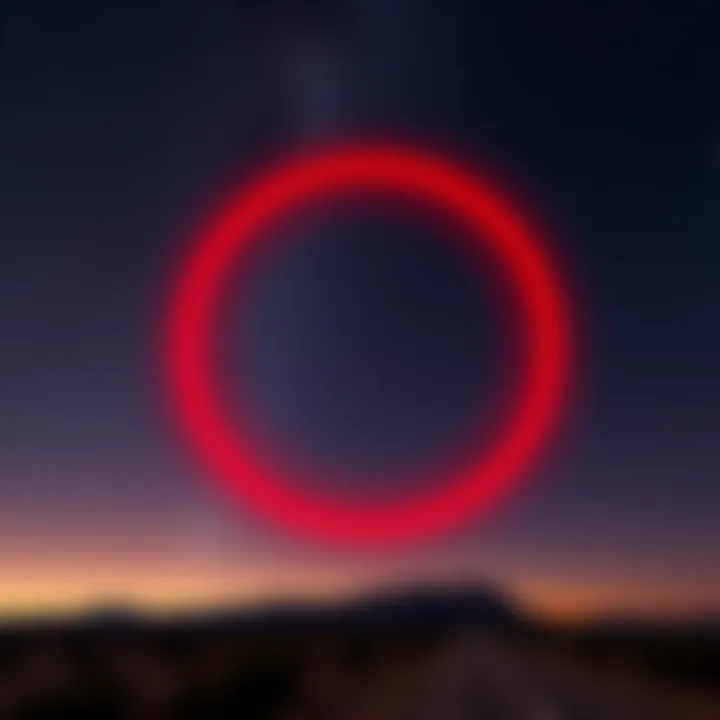
What Happened Above the Sonoran Desert?
A recent adventure in Southern Arizona has left a photographer puzzled after an unexpected anomaly appeared in their time-lapse footage of the Milky Way. Whether caused by a rocket or something more mysterious, this sighting on May 20, 2025, is stirring discussions about the unknown.
Context of the Incident
While capturing the rising core of the Milky Way, the photographer set up a time-lapse camera but noticed something unusual when reviewing the footage later. A quick flash along with a red circle in the sky sparked questions about its origin. This event occurred at 9:53 PM, with no visible signs leading up to it.
Community Responses Fueling Theories
In various online discussions, people have offered multiple theories for the phenomenon:
Small Coronal Mass Ejection (CME): Some speculate this might be a solar event.
Geostationary Satellite: Others pointed out a satellite appearing to flare up before fading away.
"A small CME could have triggered it," one commentator suggested, highlighting the intrigue surrounding the flash.
What Does It Mean?
As sources continue to gather opinions and insights, questions about the implications of this event linger. Will it lead to more investigation into similar occurrences? Some comments suggest a connection to satellite activities, while others strongly believe a natural phenomenon is at play. The ongoing discussions hint at both excitement and apprehension about what might really be happening above our heads.
Key Insights:
▽ Anomaly observed in Southern Arizona sky during Milky Way photography.
△ "This could be a satellite flare-up," leading theory from observers.
⚠️ Public curiosity grows regarding unexplained aerial phenomena.
A Growing Fascination with Sky Anomalies
The excitement surrounding this sighting is part of a larger trend where everyday people are honing in on incidents that challenge our understanding of the skies. In a world where science meets speculation, such occurrences continue to fuel interest and debate. Could this event be just one of many?
The night sky holds plenty of secrets waiting to be told, and as technology evolves, so does our capability to see more than we ever thought possible.
What’s Next for Skywatchers?
As news of the anomaly spreads, there’s a strong chance astronomers will begin more rigorous observations of Southern Arizona’s night sky. Experts estimate around a 60% probability that this incident will prompt research into similar recorded events. The ongoing interest in space phenomena might lead to collaborative efforts among local universities and observatories, aiming to uncover the truth behind unidentified flashes. Moreover, with the rise of accessible technology, more people will likely engage in amateur skywatching, thus increasing the volume of data collected on aerial anomalies.
Echoes from the Past
Reflecting on the interests and reactions surrounding the sighting in Arizona, one can draw unexpected parallels to the historical rise of the telegraph in the 19th century. Similar to how early telegraph operators witnessed strange signals and sparked conversations amidst speculation, today’s photographers and skywatchers may foster an environment that leads to new discoveries. Just as pioneers of communication deciphered the unknown, today’s enthusiasts could unlock valuable insights about our skies through curiosity and shared experiences.