
Hidden Amazonian Geoglyphs | Thousands of Shapes Unearthed in Rainforest
Edited By
Ethan Larson
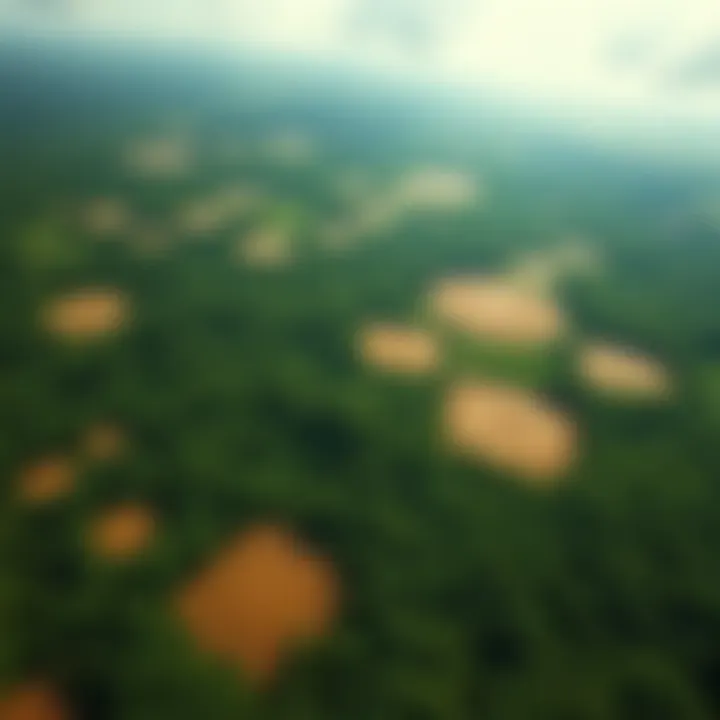
Newly discovered geoglyphs in the Amazon rainforest are stirring debates among researchers about their purpose and significance. These intricate shapes may not just be remnants of past civilizations; they hint at a much richer history of human activity in the region.
What Are These Geoglyphs?
The geoglyphs, which consist of thousands of circles and squares, are believed to be the product of ancient inhabitants. According to sources, they could have been used for various purposes, including homes, agricultural practices, or even defensive structures. As one commenter notes, "These earthworks were likely used for agriculture but represent a sophistication in geometry comparable to the Greeks."
Significance of the Discovery
Archaeological findings strongly suggest that 20 million people once lived in this area before disease impacted their numbers dramatically. Researchers are probing deeper into how these earthworks align with living spaces and community planning. "The footprint left over shows signs of a large, sophisticated community," another source stated.
What Did People Say?
As discussions unfold, opinions vary:
Some believe these shapes were used for farming and to delineate areas for crops.
Others highlight the sheer architectural complexity and imply that these markings may relate to social organization. One comment humorously speculated, "What if they're markings of a QR code for the aliens?"
Yet another user pointed to modern agricultural practices, asserting that what we see today has historical roots.
"These geoglyphs give us a glimpse into the lives of those who thrived in the Amazon long before modern intrusion," remarked a local historian.
Key Takeaways
◾ 20 million people once thrived in this region, according to historical accounts.
▼ The shapes may indicate agricultural practices and social organization.
⚡ "This reveals a level of sophistication that reshapes our understanding of indigenous cultures," noted one commenter.
As scientists continue to study the remnants of this ancient landscape, the ongoing debate emphasizes the need for further exploration in understanding human adaptation and persistence in the face of environmental challenges in the Amazon. Will this rewrite history as we know it?
Future Insights on Amazonian Geoglyphs' Implications
Experts predict that ongoing studies of the newly found Amazonian geoglyphs will lead to a significant reevaluation of indigenous culture in the region. There's a strong chance that further archaeological work will reveal more about community organization and environmental adaptation, with estimates indicating discoveries could surface in the next few years that highlight even larger settlements. As researchers continue to unlock these ancient secrets, the implications for understanding agriculture and social structures could reshape educational content on indigenous peoples. The results might not only bring historical recognition to these communities but also spark greater interest and investment in preserving the Amazon rainforest for future generations.
Echoes of Past Discoveries
This situation draws parallels to the unexpected resurgence of interest in the stone circles of Britain, often dismissed until recent decades as simple relics. Previously considered mere geological formations, they’ve since been acknowledged as indicators of early social organization and agricultural practices. Just as the British circles connected communities of their time, these geoglyphs may hold similar insights for the Amazon, reflecting social unity and adaptation in challenging physical environments. This historical echo suggests that often overlooked structures can yield profound insights into the daily lives and accomplishments of ancient peoples, much like the newfound appreciation now afforded to those earlier formations.