
Knowledge Gaps in Alien Abduction Data | Call for Awareness Grows
Edited By
Fiona Kelly
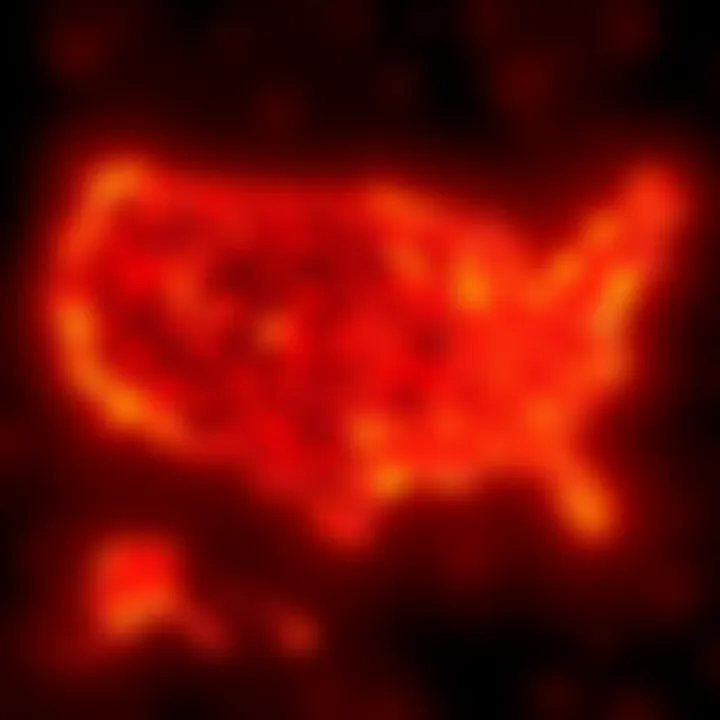
A rising interest in alien abductions has many people questioning the geographic patterns of these claims across the U.S. Social forums are filled with queries about the existence of a heat map plotting these events.
A user recently sparked discussions about potential locations for these supposed abductions. They inquired, "Does anyone know if there is a heat map of alien abduction claims?" This question highlights the need for more structured data collection regarding these incidents.
The Buzz Around UFOs
One comment stood out in the discussion:
"Holy shit this map showed me a UFO I saw as a kid."
This reveals how closely personal experiences are tied to the larger conversation about UFO sightings and alien encounters. Many people are eager for answers regarding their own sightings and experiences.
Missed Opportunities in Data Tracking
A relevant sentiment emerged among commenters, with one lamenting missed chances in tracking these events. They suggested, "If we had taken abductees seriously from the beginning, we would have such a better sense of the phenomenon by now." This comment suggests a missed opportunity in public health discourse surrounding unexplained experiences.
Many believe that systematic reporting could have helped in creating a clear understanding of these occurrences.
Comment Highlights
Some comments pushed for more organized efforts:
"Imagine if we included abduction data with public health stats."
"A supportive hotline like poison control would have been beneficial."
The Role of Collecting Experiences
There’s an intriguing call for organized data on abductions, hinting at the possibility of a future where the phenomenon is taken seriously. The discourse suggests that perhaps there’s a master database out there somewhere.
Key Insights
The idea of mapping abduction locations sparks curiosity among many.
There’s a strong desire for structured data collection regarding these experiences.
The potential for discovering patterns in abduction claims suggests a path for public inquiry.
"Who knows, maybe that will be an unexpected aspect of disclosure."
This mix of excitement and frustration from users displays a collective yearning for more knowledge about these events.
Is It Time for Formal Investigation?
People are calling for more than informal forums to address alien abductions. As chatter around the topic grows, the question remains—will official entities ever take a step in systematically tracking these phenomena?
The growing discourse around alien abductions and the driving need for accountability in data collection may soon influence public awareness and scientific inquiry.
For anyone interested in exploring UFO sightings further, consider checking local archives or user boards focusing on extraterrestrial encounters.
Speculating on the Future of Abduction Awareness
As interest in alien abduction claims continues to grow, there’s a solid chance that local governments and research organizations will take steps toward formal investigations. Experts estimate that within the next five years, a few cities may initiate pilot programs focusing on tracking UFO sightings and abduction reports, akin to community health initiatives. The push for structured data collection could lead to the creation of dedicated hotlines and databases, fostering a more informed public discourse about these phenomena. This shift may also facilitate collaborations between scientists and paranormal enthusiasts, helping to sift through anecdotal evidence and uncover patterns that could reshape our understanding of these experiences.
A Surprise Cuing from the Past
Looking back, the early days of meteorology might offer an insightful parallel to the present discourse on alien abductions. Just as weather forecasting started with scattered observations and anecdotal reports, it took time for formal systems to emerge. Initially, many dismissed storms and patterns as mere folklore until data collection and collaboration brought clarity. Similarly, the conversation surrounding alien abductions, fueled by personal stories on forums, may evolve into a systematic approach. Those interested in capturing the essence of unexplained experiences could very well find themselves creating a modern-day meteorological model for the skies of the unknown.